
By Musa Ibrahim | Updated: November 2025 | Reading Time: 14 mins
Nigeria's agriculture sector is experiencing a renaissance. With over 200 million people to feed, government incentives for farmers, and growing export opportunities, there's never been a better time to start an agriculture business in Nigeria.
This isn't your grandfather's farming. Modern agribusiness combines traditional practices with technology, smart financing, and strategic marketing. Whether you have ₦100,000 or ₦10 million to invest, this comprehensive guide will show you exactly how to start, scale, and profit profitably from farming in 2025.
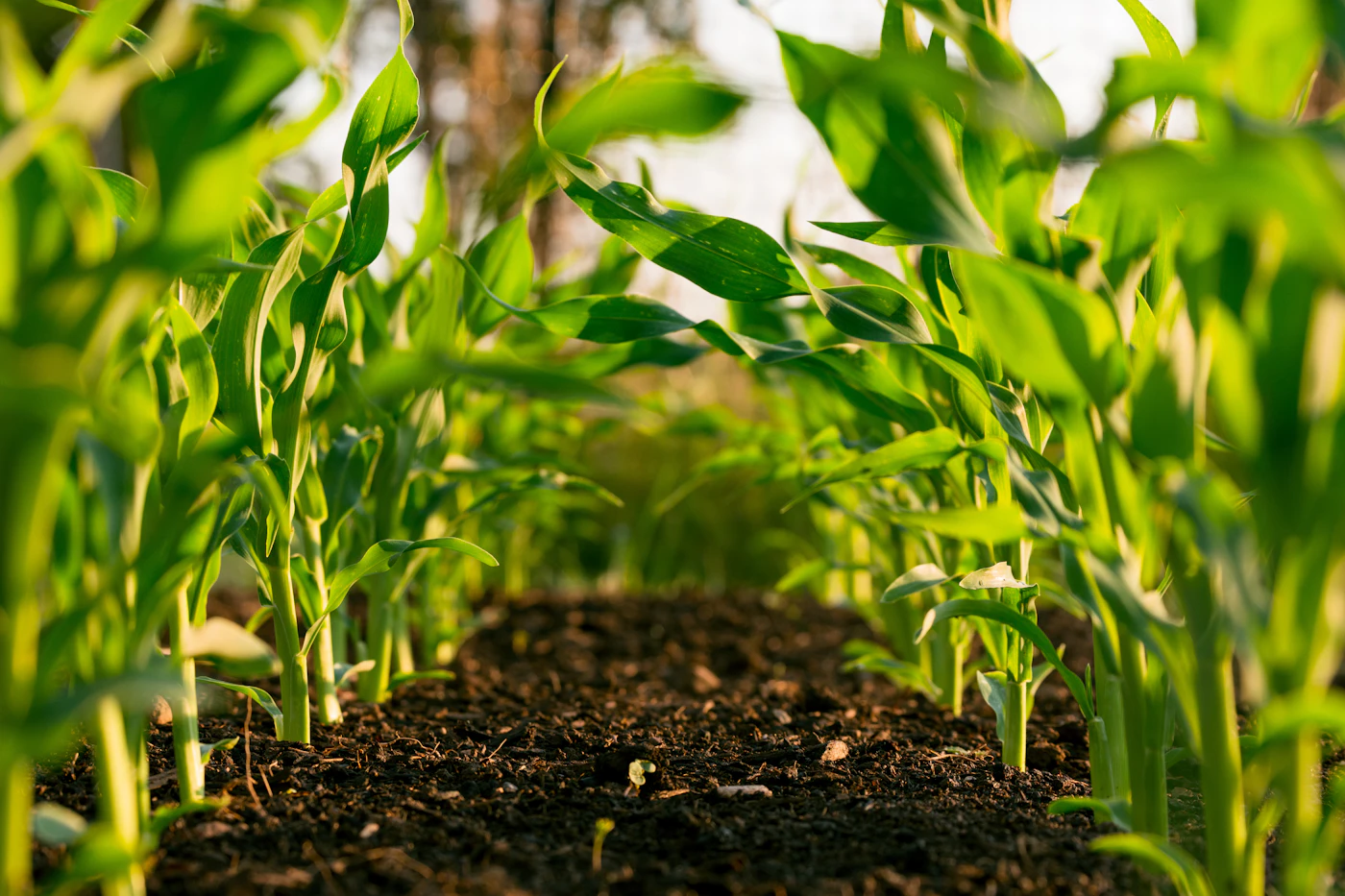
Why Agriculture? The Numbers Don't Lie
Agriculture contributes 23% to Nigeria's GDP and employs over 36% of the workforce. But here's the opportunity: Nigeria still imports over $5 billion in food annually—food we can grow locally and profitably.
- Consistent Demand: Nigerians need to eat daily. Your market is guaranteed—not seasonal or dependent on trends.
- Government Support: CBN Anchor Borrowers Programme, NIRSAL, BOA, and state grants offer low-interest loans specifically for farmers.
- High ROI: Well-managed farms can return 30-60% annually—rivaling real estate and fintech investments.
- Multiple Income Streams: Sell fresh produce, process into value-added products, or supply wholesale to retailers and exporters.
- Export Opportunities: Nigeria exports cassava, cocoa, and palm oil. Your farm could tap international markets.
The Opportunity: Nigeria's population is growing at 2.5% annually while food production is flat. This gap creates premium pricing for local farmers.
Top 10 Most Profitable Agriculture Businesses in Nigeria (2025)
Not all farms are created equal. Some have faster turnaround times, others require less capital. Here's the complete breakdown with ROI, startup costs, and market demand:
1. Poultry Farming (Broilers & Layers) - Best for Beginners
Startup Cost: ₦200K - ₦1M (100-500 birds) | ROI: 40-60% per cycle | Turnaround: 6-8 weeks
Poultry is the most accessible agribusiness in Nigeria. Broilers mature in 6-8 weeks, layers start producing eggs at 18 weeks. Nigerians consume millions of eggs and chickens daily—both in homes and restaurants.
Pro Tip: Start small (100 birds), perfect your system, then scale. Partner with feed suppliers for credit terms.
2. Fish Farming (Catfish & Tilapia) - Fastest Growing
Startup Cost: ₦300K - ₦2M | ROI: 30-50% per cycle (6 months) | Market: Growing 25% yearly
Catfish farming is one of the most profitable agribusinesses. A 500-fish pond can generate ₦500K-₦800K per cycle. Urban fish farming using tarpaulin ponds requires minimal space and zero land paperwork.
3. Snail Farming - Lowest Risk, Highest Margin
Startup Cost: ₦50K - ₦300K | ROI: 50-80% | Market: Export demand strong
Low-risk, low-maintenance operation. Snails reproduce rapidly and have high export demand to Europe (₦500-₦1,500 per kg). Can be done in your backyard with zero environmental permits needed.
4. Vegetable Farming - Quickest Cash Flow
Startup Cost: ₦100K - ₦500K | ROI: 60-100% | Harvest: 6-12 weeks
Fast-growing crops like ugu (fluted pumpkin), spinach, lettuce, and tomatoes have quick turnaround and strong restaurant demand. Perfect for urban farming or selling directly to hotels and eateries.
5. Cassava Farming - Export Gold
Startup Cost: ₦200K - ₦1M per hectare | ROI: 35-50% | Export Markets: Europe, Asia, USA
Nigeria is the world's largest cassava producer. Process into garri, fufu, starch, or cassava flour for 3-5x margins. Strong export opportunities to Africa and beyond.
6. Goat & Sheep Rearing - Festival Gold
Startup Cost: ₦300K - ₦1.5M | ROI: 40-70% | Peak Demand: Sallah, Christmas, Ileya
High seasonal demand during festivals. A pregnant goat costs ₦30K but sells for ₦80K-₦100K—2-3x profit! Low maintenance compared to cattle. Works well for smallholders.
7. Rice Farming - Government Priority
Startup Cost: ₦500K - ₦3M per hectare | ROI: 30-45% | Government Support: CBN Anchor Borrowers Programme
Nigeria's most consumed staple with heavy government support. Mechanization and irrigation significantly boost yields. CBN specifically offers low-interest loans for rice farmers.
8. Plantain Farming - Long-Term Passive Income
Startup Cost: ₦200K - ₦800K | ROI: 50-80% | Lifespan: 10+ years per plant
Plantain suckers produce for 10+ years. Growing demand for plantain chips and flour. Can intercrop with vegetables for extra income. Semi-passive once established.
9. Maize Farming - Dual Harvest System
Startup Cost: ₦150K - ₦700K per hectare | ROI: 40-60% | Harvests/Year: 2 with irrigation
Fast-growing (3-4 months). Used for human consumption, poultry feed, and industrial processing. Two harvests possible per year with irrigation systems.
10. Palm Oil Production - Premium Margins
Startup Cost: ₦1M - ₦5M | ROI: 40-70% | Products: Red oil, kernel oil, palm wine, wood
Diverse income streams: red oil, kernel oil, palm wine, and timber. Strong local and export demand. Premium pricing for quality products.
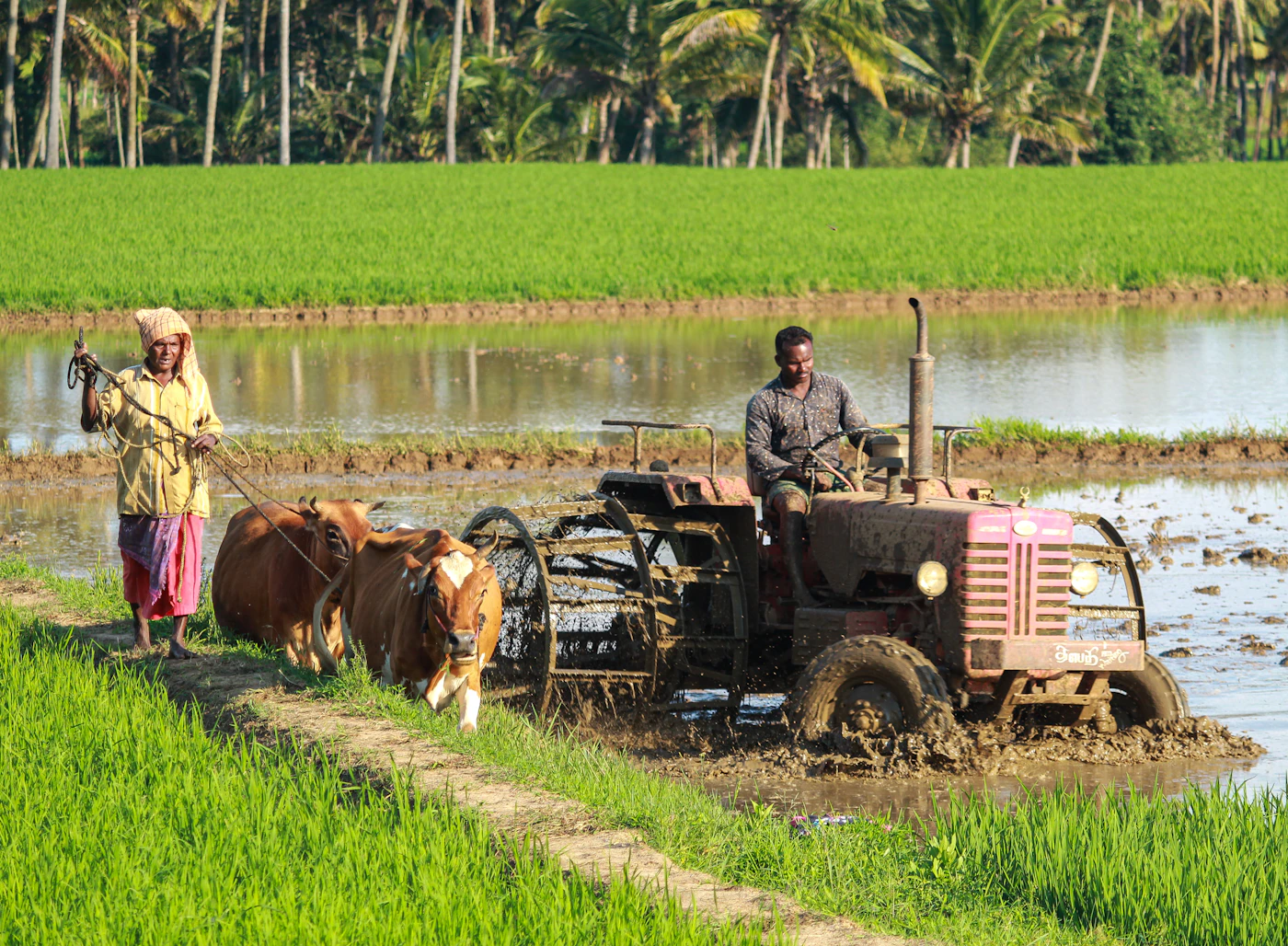
Step-by-Step: How to Start Your Agribusiness (9-Step Process)
Step 1: Choose Your Niche (Don't Try Everything)
Why this matters: Trying multiple crops/animals at once leads to failure. Pick ONE business that aligns with your strengths.
- Your available capital (₦100K vs. ₦5M changes everything)
- Available land or space in your location
- Local market demand (ask farmers already doing it)
- Your interest, skills, and willingness to learn
- Climate and geography of your region
Step 2: Get Formal Training (Don't Learn by Failure)
Knowledge is your best investment. Spend 1-2 weeks learning before spending money on inputs.
- Attend workshops: State Agricultural Development Programs (ADP) offer free training
- Take online courses: Coursera, Udemy (agriculture-specific)
- Apprentice with experts: Find established farmers in your area willing to mentor
- Join farmer cooperatives: Learn from peers, access bulk discounts on inputs
Step 3: Write a Business Plan (Even Simple Ones Work)
A written plan keeps you organized and is required for government loans. Even a 1-page plan works:
- Startup costs: Land, equipment, initial inputs, labor
- Operational costs: Monthly feed, fertilizer, utilities, labor
- Revenue projections: Expected yields × market price
- Marketing strategy: Who will buy? What's your distribution plan?
- Break-even timeline: When will you recover your investment?
Step 4: Secure Land or Space (You Don't Need Much to Start)
Land access doesn't require ownership. Multiple options exist:
- Lease land: ₦50K-₦200K yearly in rural areas
- Urban farming: Rooftop gardens, containers, vertical farming (no land permit needed)
- Backyard farming: Snails, small poultry, herbs in 100 sq. meters
- Partner with landowners: Split profits in exchange for using their land

Step 5: Get Government Funding (Access ₦50K-₦50M)
The Good News: The Nigerian government actively funds agriculture. You don't need collateral.
| Program | Amount | Interest Rate | Eligibility |
|---|---|---|---|
| CBN Anchor Borrowers | ₦100K-₦20M | 9% p.a. | Rice, maize, cotton farmers |
| NIRSAL | ₦500K-₦50M | Up to 12% p.a. | All agricultural sectors |
| Bank of Agriculture (BOA) | ₦100K-₦30M | 9-14% p.a. | Registered agribusinesses |
| Lagos Agrithon 2025 | ₦5M-₦10M grants | No interest (grants) | Lagos-based agribusiness |
Private Funding: Agritech platforms (Farmcrowdy, Thrive Agric), angel investors, and crowdfunding also offer financing with flexible terms.
Step 6: Register Your Business (Unlock Government Contracts)
Registration opens doors to grants, bulk buyers, and government contracts:
- Register with CAC (Corporate Affairs Commission) - ₦10K-₦50K
- Get TIN (Tax Identification Number) from FIRS - Free
- Join SMEDAN (Small & Medium Enterprises Development Agency) - ₦2,500
- Read our Business Registration Guide for step-by-step instructions
Step 7: Source Quality Inputs (Your Yields Depend on This)
Rule: Poor inputs = poor yields. Never compromise on quality.
- Poultry: Get day-old chicks from certified hatcheries (not street vendors)
- Crops: Use certified seeds from government extension offices or agro-dealers
- Fish: Buy fingerlings from registered hatcheries with health certificates
- Feed/Fertilizer: Buy in bulk through cooperatives (save 20-30%)
Step 8: Start Small, Scale Gradually (The Path to Profitability)
Typical progression:
- Month 1-2: Setup, buy inputs, begin operations (20% of capital)
- Month 3-6: First harvest, assess profitability, refine processes (40% of capital)
- Month 7-12: Prove concept, expand operations (80% of capital)
- Year 2: Scale aggressively, reinvest profits (100% + borrowed capital)
Step 9: Market Your Products (Use Digital + Traditional Channels)
- Direct Sales: Sell to neighbors, local markets, schools, hospitals
- B2B Sales: Supply to restaurants, hotels, supermarkets (bulk orders = better prices)
- Social Media: Use WhatsApp Status, Instagram, TikTok to showcase products
- Online Platforms: List on Farmcrowdy, Thrive Agric, Jumia Fresh
- Local Visibility: List your farm on 9jaDirectory to reach local customers actively searching for fresh produce
- Export: For high-value crops (snails, cassava products), connect with export agents
Common Challenges & Proven Solutions
1. Climate Change & Weather Unpredictability
Solution: Invest in irrigation systems (drip irrigation saves 60% water). Choose drought-resistant crop varieties. Diversify—don't depend on one crop.
2. Pest & Disease Outbreaks
Solution: Practice preventive care, use organic pesticides, quarantine sick animals immediately. Join farmer cooperatives that share disease alerts.
3. High Input Costs (Seeds, Feed, Fertilizer)
Solution: Buy in bulk through cooperatives (20-30% cheaper). Negotiate payment plans with agro-dealers. Use government-subsidized inputs when available.
4. Poor Market Access & Low Prices
Solution: Bypass middlemen by selling directly. Join B2B supply networks. Process crops into value-added products (cassava → garri, flour).
5. Limited Capital
Solution: Start micro (100 birds, not 1,000). Use government loans + grants. Reinvest first-year profits. Partner with others via cooperatives.
Key Takeaway: Agriculture Is Business, Not Charity
Too many people approach farming emotionally and fail. Treat it like a business—track expenses meticulously, calculate ROI, market aggressively, and continuously improve processes.
Your 30-Day Action Plan:
- Week 1: Pick ONE agriculture business from this list
- Week 1-2: Find and talk to 3 people already doing it (learn their secrets)
- Week 2-3: Attend a training workshop (free ones available through ADP)
- Week 3: Draft a simple 1-page business plan
- Week 4: Apply for government funding (CBN, NIRSAL, or BOA)
Nigeria's food demand is growing at 2.5% yearly while production is flat. This gap = premium prices for smart farmers.
Position yourself now. Your agribusiness in 2025 could be generating ₦500K-₦5M monthly by 2026. 🌾


